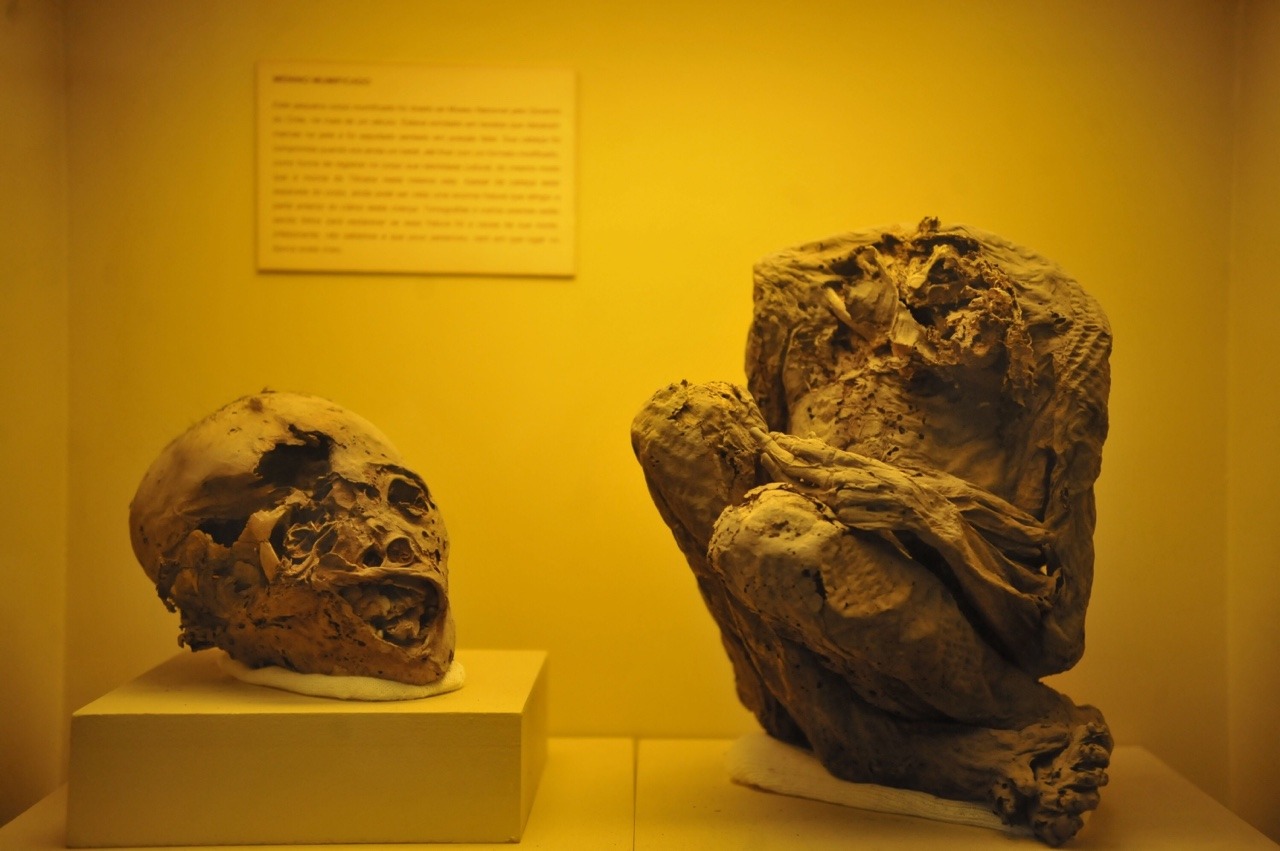
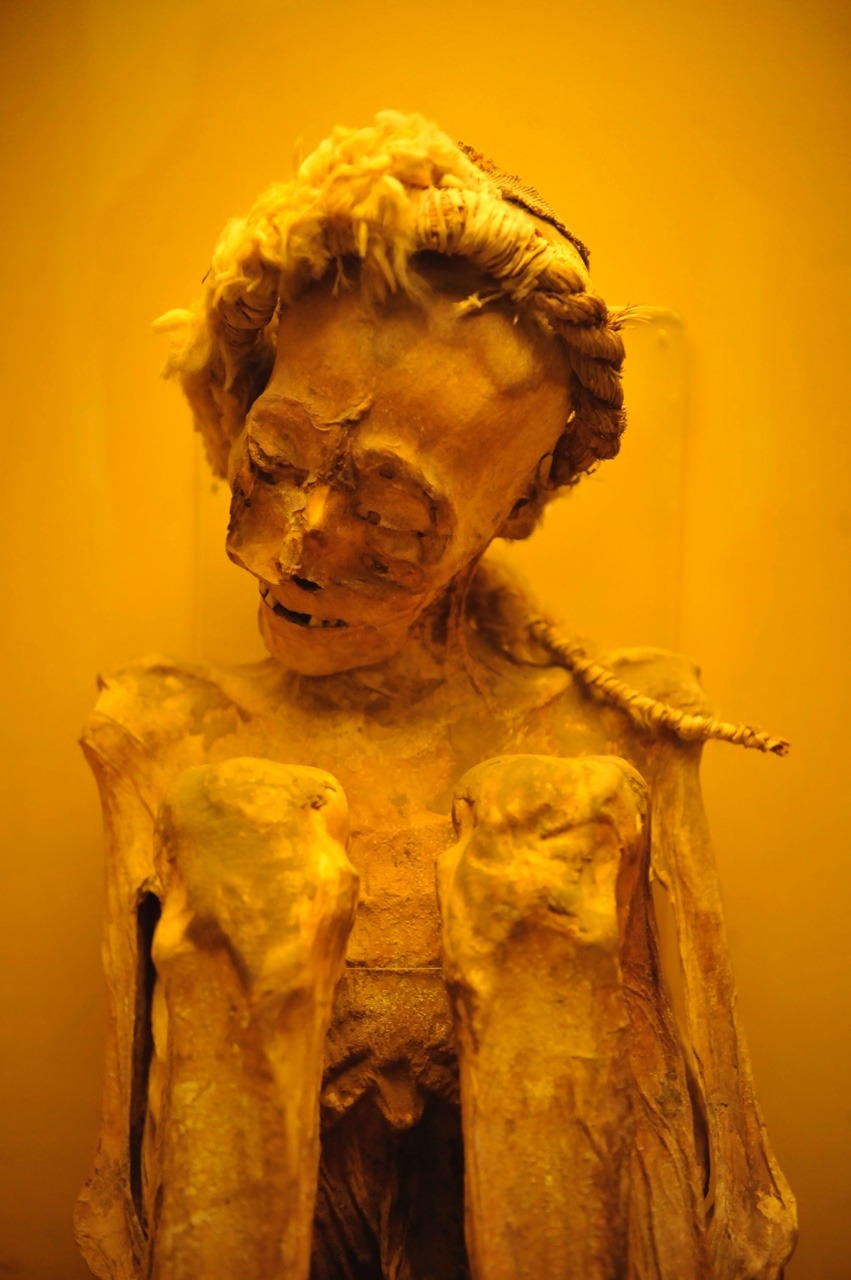
one of the oldest and arguably the most important museum in Brazil is burning to the ground as we speak. home to the portuguese royal family from 1808 to 1821, the Museu Nacional stored fossils, meteorites, pre-historic human skeletons and a variety of artefacts related to natural history. it holds two centuries of latin & brazilian history and now it’s all gone.
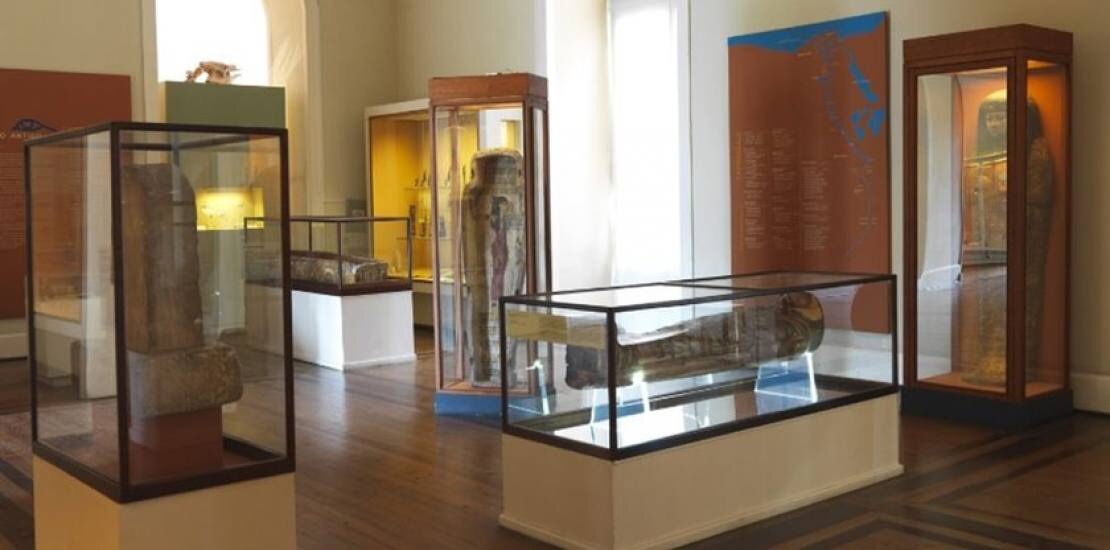
some of the things that are now lost forever: the largest collection of egyptian artefacts in latin america; the skeleton of the largest flying reptile ever found in Brazil; the oldest human fossil ever found in the country, named “Luzia” (over 11.000 y.o) and other 20 million extremely important relics and researches just burned to the ground. never to be seen again.
thanks to our government, of course, who didn’t want to pay the museum the necessary funds to make the essencial maintenances since 2014 (which by the way, costed less than a supreme federal court judge’s sallary: R$520 in a year).
another sad instance where the state’s indifference towards culture and history becomes painfully obvious. this is a massive blow to our cultural legacy.
all that in our independe week. happy independe for us, brazilians, who just lost our history and culture in a fire caused by ignorance and indifference.
in case you’re wondering, this is what the museum used to look like:
this is what it looks like now:
thousands of years of culture lost. happy independence week.
“Authorities say the fire lasted for six hours, causing irreparable damage. To put it bluntly: it’s all gone. A meteorite, that can sustain incredibly high temperatures, was found intact. But other than that, there are apparently no other pieces left. It would not be an understatement to call the Museu Nacional the Brazilian equivalent of the Louvre or the British Museum.”
here is some of the international news saying on this, because most articles and videos are all in portuguese, u can check some of the news in english: (here *new york times*) (here *bbc news*) (here *le monde* for french speaking readers) (here *shorouk news* for people who speak arabian) (here *azteca news* for spanish) (here *corriere della sera* for italian).
it was a natural science and historic museum, there were all sorts of important researches and relics. all burned. this was our culture. our history. the first human fossil found in brazil (mentioned above, Luzia) was so important for science, since it proved that way before indigenous tribes existed in Brazil, there were black people.
this is the place where our first constitution was made and the declaration of independence was signed. our independe day is this friday. heartbroken.
Although it can make two separate rings, they can also be conjoined, and worn as one ring. When separated, one can see the secret message on the inside of each ring. On the diamond ring is “QUOD DEUS CONIUNXIT.” On the ruby ring is “HOMO NON SEPARET.” Translated from Latin, it means “Whom God has joined together, let no man tear asunder.“
Such conjoined rings, called gimmel rings, were popular in the 1600s in Europe. This particular example is from 1631 in Germany. Traditionally, the members of a newly betrothed couple would receive one hoop each. At the wedding ceremony, the two rings would be joined.
The very excited blonde lady owns the resort where this is taken. She’s super excited because this is the closest they’ve ever come in before. Everyone else is less excited because this was taken crack of dawn; when blonde lady realized how close the whales were coming, she ran around waking everybody up to see it.

























 if it happened at all, it happened like that